

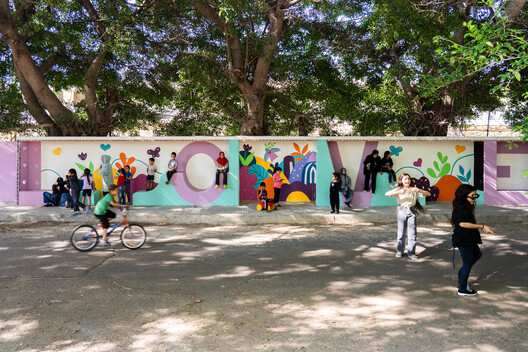
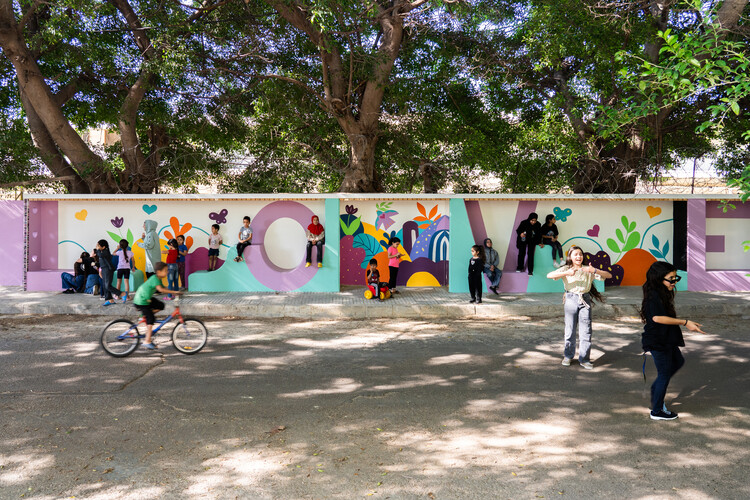
Make Space for Girls (MSFG) is a London-based charity that campaigns for public spaces and parks in the United Kingdom to be more inclusive of teenage girls. The organization conducts research on how public spaces are used and designed, raises awareness about perceived inequalities in their use, and collaborates with public and private institutions to promote the representation of teenage girls in the planning and design of outdoor environments. Their research indicates that their exclusion from the design of parks and public spaces often leaves them without places where they feel welcomed or valued, and that parks and public spaces for older children and teenagers are currently designed for the default male. From 8 to 15 October, the organization is running a fundraising campaign to support the implementation of its new three-year strategy aimed at promoting more inclusive public spaces.



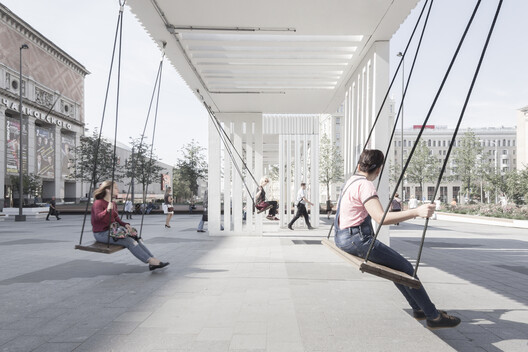
The charity states that, in many cases, traditional forms of 'youth' provision, such as skateparks and enclosed multi-use games areas, are rarely used by girls and young women and tend to be dominated by boys and young men. Their research suggests that when girls don't feel that parks are designed for them, they are less likely to visit, contributing to what the organization identifies as a gender imbalance in the use of outdoor public spaces. MSFG maintains that the barriers limiting girls' participation in these spaces may have consequences for their physical and mental well-being, raising broader questions of spatial equity. To address these issues, the organization uses research, advocacy, and professional training to increase awareness among policymakers, local councils, architects, and developers across the United Kingdom.
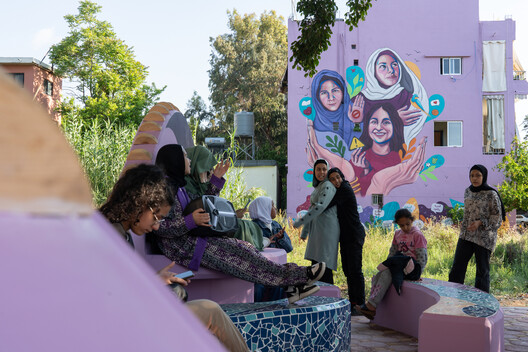
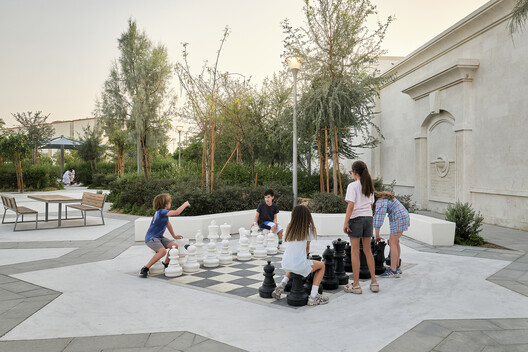
In addition to research, MSFG's activities include presentations and training for architects, landscape architects, and other design professionals; support for local policymakers involved in the renovation of public spaces; and the dissemination of best practices for engaging with teenage girls. The charity's stated goal is to influence national policy so that all parks and public spaces in the United Kingdom are designed to be gender-inclusive. Its new three-year strategy focuses on encouraging systemic change at both local and national levels, offering evidence-based guidance to decision-makers. The fundraising campaign, open from 8 October (midday) to 15 October (midday), seeks to fund initiatives such as the creation of a pilot panel of teenage girls in 2025–26 to consult with councils and developers; the development of a toolkit to facilitate engagement with teenage girls and other underrepresented groups; the establishment of a quality mark for gender-inclusive park and play space designs; and continued research into public space usage.
Related Article
Childhood and Ancestry: What South American Indigenous Communities Can Teach Us About Environments for Children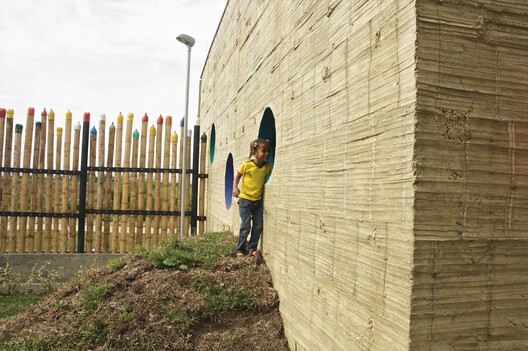
The topic of inclusive community and public spaces also aligns with broader global discussions. The International Union of Architects (UIA), in its call for World Architecture Day 2025, highlighted the theme "Design for Strength", inviting reflection on how buildings and cities can not only withstand shocks but also foster equity, continuity, and resilience. Responses from around the world have explored themes such as redefining the relationship between architecture and nature; the invitation from the inaugural Copenhagen Architecture Biennial to slow down and reflect on how the rapid pace of modern life affects the built environment; and UNESCO's expanded approach to heritage, emphasizing the role of local communities in safeguarding cultural assets, strengthening efforts to preserve African heritage, and acknowledging the increasing recognition of sites of remembrance and humanity's shared prehistory.


